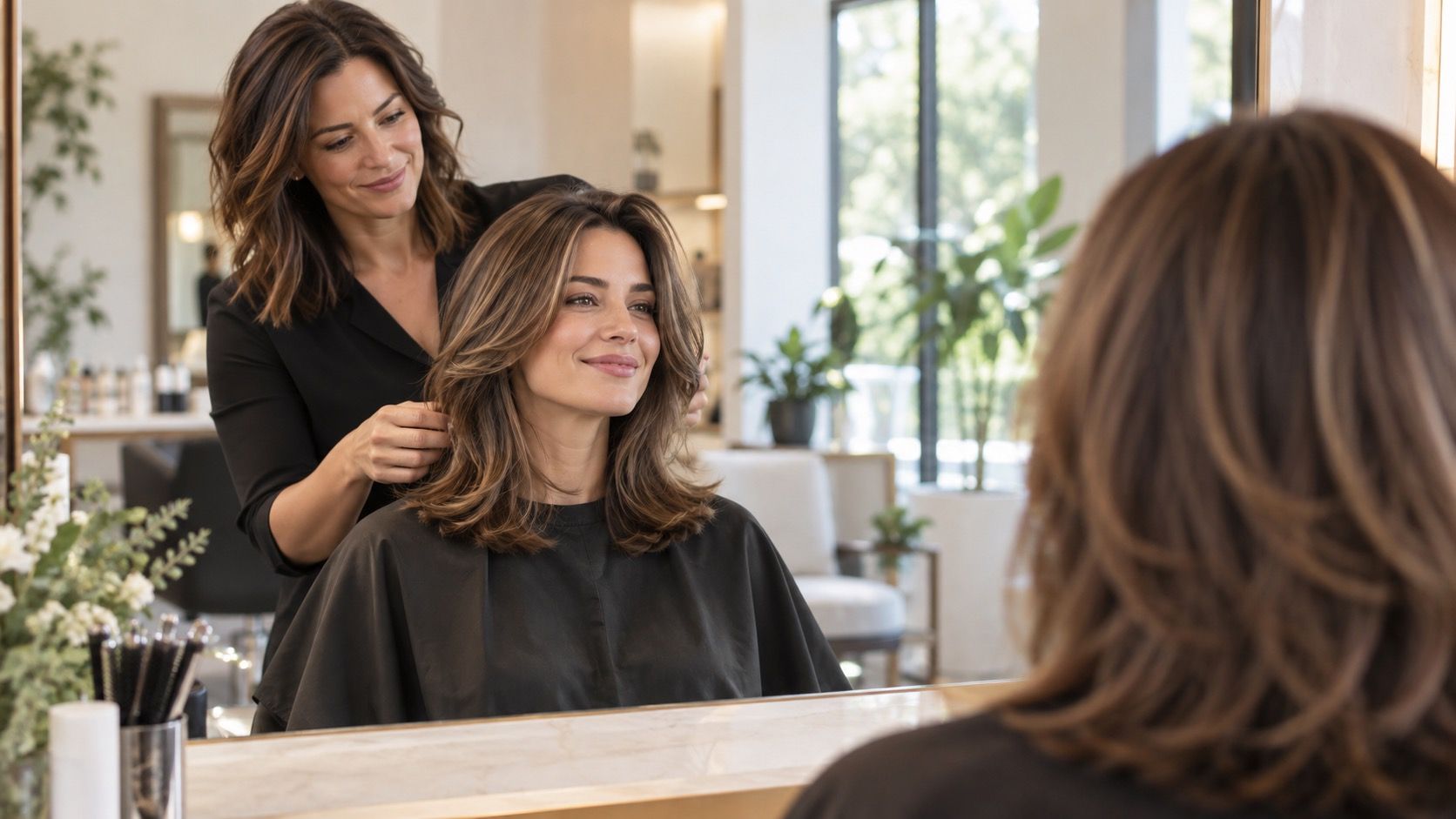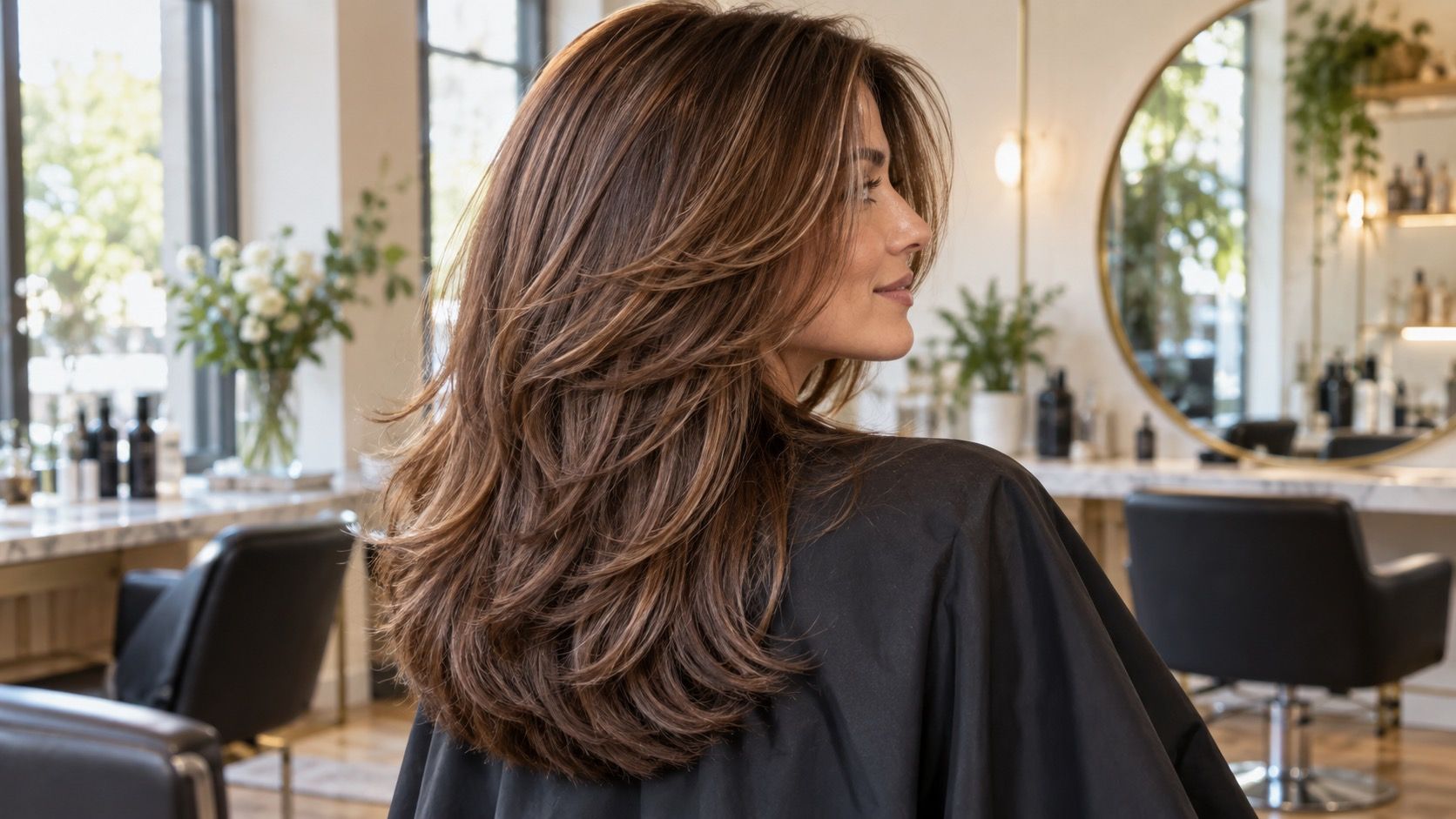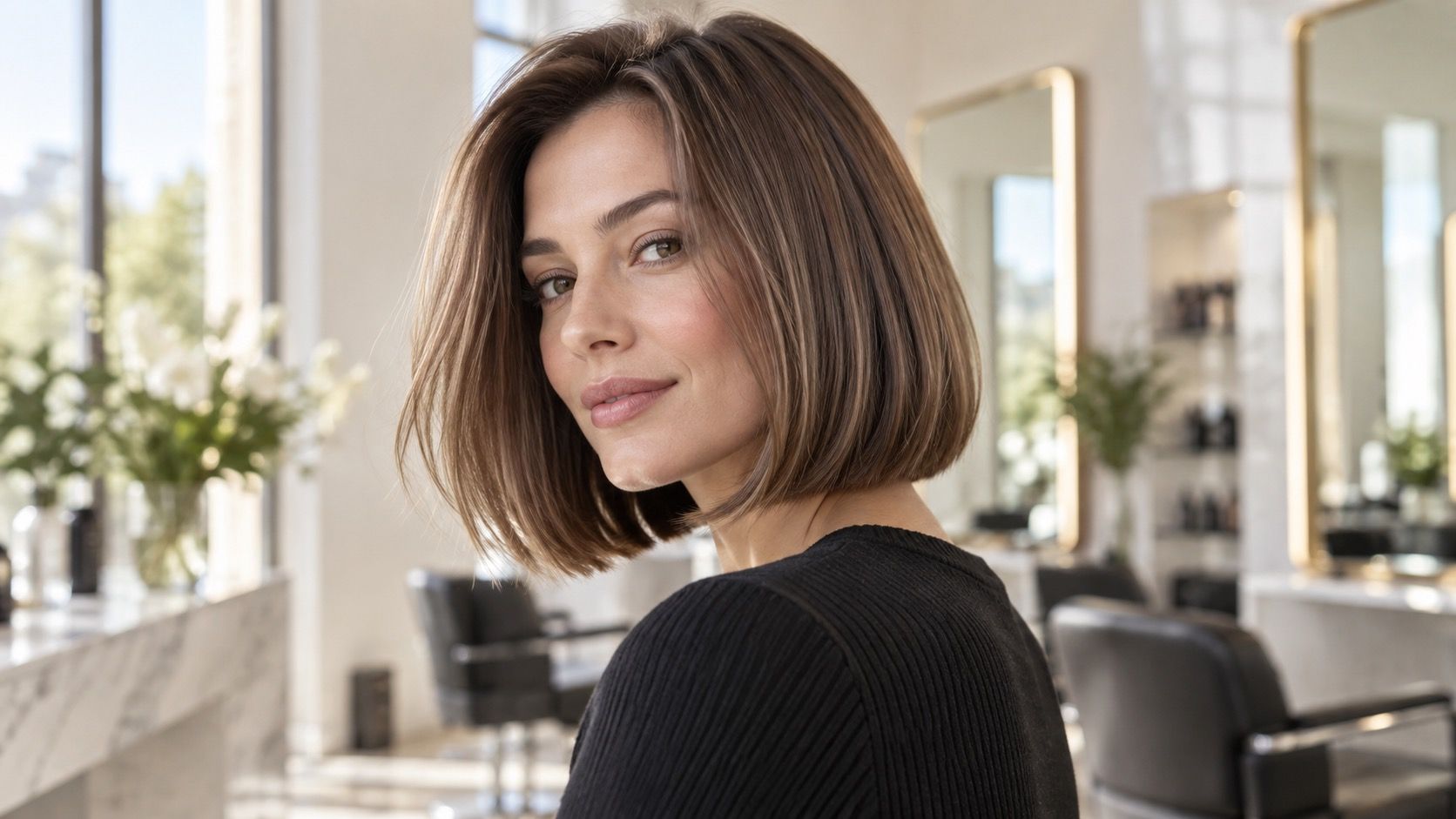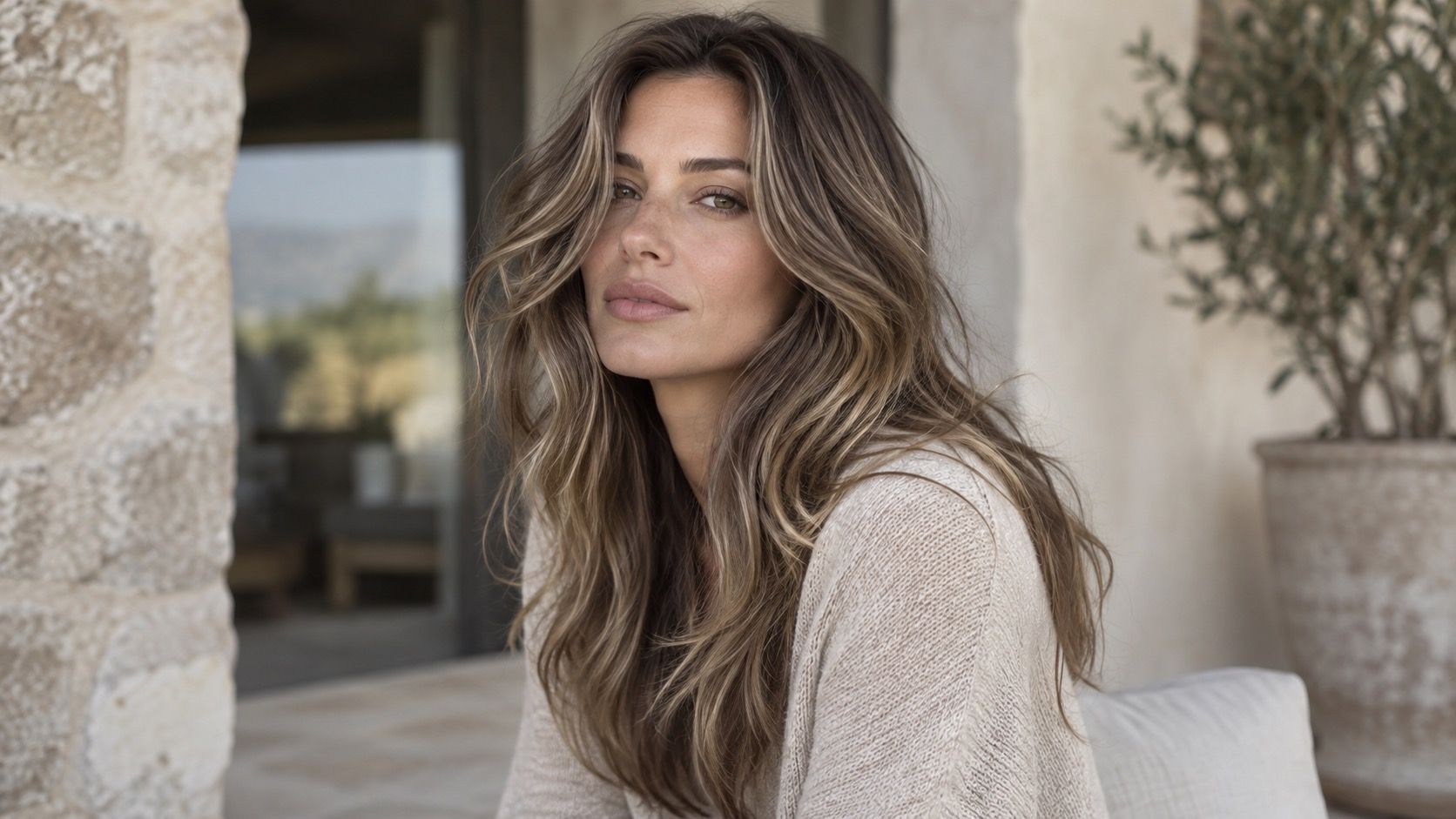
Soft Summer hair color is easiest to understand as a question of volume. The shades that feel most natural are often cool-neutral and slightly muted, with no single streak demanding attention from across the room. That does not require grey hair or a beige wardrobe. It simply means choosing depth, highlights, and root color so they blend into the face instead of creating a sharp graphic outline.
Recognize what makes a color look soft
Softness comes from several small choices working together. The undertone is usually cool-neutral rather than orange gold, the depth stays near the natural base, and the reflect is gentle rather than shiny or highly saturated. Mushroom brown is a familiar example because it mixes brown, taupe, and a faint smoky note. It can look rich without becoming red or inky.
Find a brown or blonde direction that keeps its balance
Contrast matters just as much as undertone. A bright platinum money piece against a medium ash root can be technically cool but still look too stark for someone who prefers a quiet effect. Fine highlights, a diffused root, and soft pieces around the face create light without making the hairstyle look striped. The hair should still have dimension when it is tied back or viewed in flat office light.
Seasonal categories are not a diagnosis. Use them to describe a preference: lower contrast, subdued warmth, and colors that do not compete with the skin. If a warmer or clearer shade makes you happy, it is allowed; it simply has a different visual energy and may need more deliberate styling.
For brunette hair, soft summer hair colors often include mushroom brown, cool medium brown, soft mocha, and taupe-leaning dark blonde. These shades leave enough brown pigment in the hair to avoid a hollow grey cast. The useful question is not “how ashy can it be?” but “does this color still look like hair in daylight?” Over-toned brunette hair can look flat at the ends even when the root looks elegant.
For blonde hair, dark ash blonde, muted beige, and softly pearl-toned highlights can create brightness without a hard yellow contrast. The best placement is rarely a solid blanket. A colorist can leave depth at the scalp, brighten selected areas around the face, and retain a few darker ribbons underneath. That mixture is why the color continues to look believable after the fresh blowout has disappeared.
| Color direction | Best use | Potential problem |
|---|---|---|
| Mushroom brown | Adding depth without obvious warmth | Can look dull if grey toner is overused |
| Dark ash blonde | Softening a medium base with gentle brightness | May turn brassy on very light porous ends |
| Muted beige highlights | Creating movement near the face | Wide sections can look too contrasty |
Place highlights where they will still look quiet
Highlight placement is where a muted idea becomes either polished or overdone. Ask for fine, irregular pieces rather than equal-width stripes. The lightest sections do not have to begin at the root; a little space there makes the grow-out softer and allows the natural base to anchor the color. Around the face, several narrow blended pieces usually look gentler than two very pale blocks.
Consider your usual parting and styling. A center part exposes the front hairline and can make bright pieces more obvious. A side part may reveal a different panel beneath. Show the stylist how you usually wear your hair, especially if you tuck one side behind an ear or wear a low bun for work. Placement that looks subtle when loose can look dramatic when every light strand is gathered together.
Low contrast does not mean no contrast. A few deeper sections underneath make loose waves look fuller, and a small lift through the crown can prevent medium brown from looking heavy. The aim is a shaded, lived-in surface rather than a color pattern that needs perfect styling to make sense.
Compare muted shades in ordinary conditions
Salon mirrors and warm spotlights are generous to nearly every color. To compare a Soft Summer hair color idea honestly, look at references near a window, in a car, and under typical home lighting. A color that seems beautifully cool under salon LEDs may look too smoky outside; a neutral brown that appears plain indoors may reveal exactly the right softness in daylight.
When choosing between two references, compare the root-to-length relationship first. The better option is often not the lighter one, but the one where the root, brows, and ends still look as though they belong in the same picture. Then compare the amount of warmth. A slight neutral warmth can keep the color alive, while a clear orange or yellow band usually changes the entire effect.
Keep expectations realistic if you have previous dark dye, vivid color, or very porous ends. The first appointment may be about removing obvious warmth and establishing a blended base, not arriving at the final muted beige in one long session. A gradual approach protects condition and often produces a better grow-out.
Plan for toner, roots, and grow-out
Muted shades are forgiving when the design includes the natural root. A soft root shadow and fine lowlights can let you wait longer between full color appointments, while a gloss or toner refreshes the visible tone when it starts to feel too warm. This is usually easier to live with than a solid ash color that shows every new inch of growth.
Ask how the proposed shade will fade on your exact starting hair. Highlights may become warmer through the front pieces first; dark color may look richer at the nape than around the temples. A plan that includes gentle home care, moderate heat, and a realistic gloss schedule is more valuable than a dramatic day-one formula.
Before booking, consider your haircut as well as your color. Layers expose more of the underside, while a blunt bob concentrates the color in one clean line. A softly blended formula may suit loose waves but need deeper internal lowlights if you wear the hair straight. Bringing this daily-wear detail into the consultation helps a muted shade stay intentional after the first few washes.
Soft Summer hair color works best when it has permission to change slightly. A little neutral warmth, a deeper root, and uneven natural light are not defects. They are what keep a muted color from looking like a flat filter once real life begins.