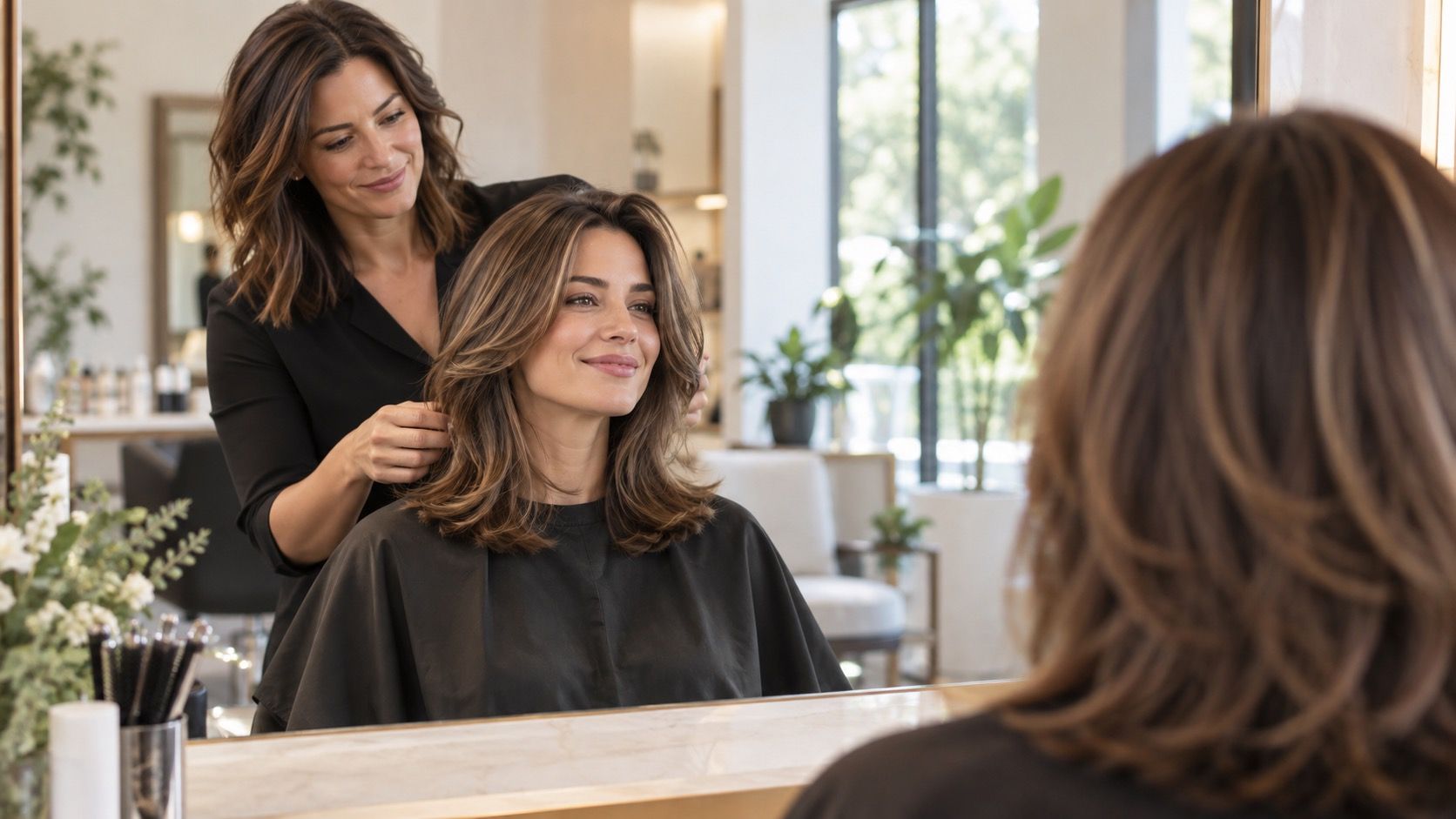
A low-maintenance haircut is not one that asks nothing of you. It is one whose requirements match your week: your washing schedule, your tolerance for styling, the way your hair grows, and the point at which you are likely to book another appointment. That definition is more useful than any universal list of “easy” cuts.
Define low maintenance in hours, not slogans
Start with a realistic morning. If you can spend five minutes styling but not twenty, a cut that needs a round brush at the roots is not low maintenance for you. If you wash twice a week and usually wear your hair up on day three, the cut must look good tied back as well as down. Small habits determine whether a style feels freeing or demanding.
Choose a grow-out pattern you can live with
Maintenance also includes appointments. Some people are happy to trim a crisp bob every six weeks but dislike daily heat styling. Others would rather live with softer ends for three months. There is no superior choice, but a good haircut aligns the salon schedule with the routine you can maintain without resentment.
Use this part of the decision as a small at-home test rather than a rule. Notice what happens on a normal day, in the light you usually see, and after the hair has moved through your routine. A result that works only immediately after styling is less useful than one that still feels balanced later. Take a clear photo from the front and side if you are unsure; it can make the proportion, weight, or color relationship easier to discuss at the next appointment.
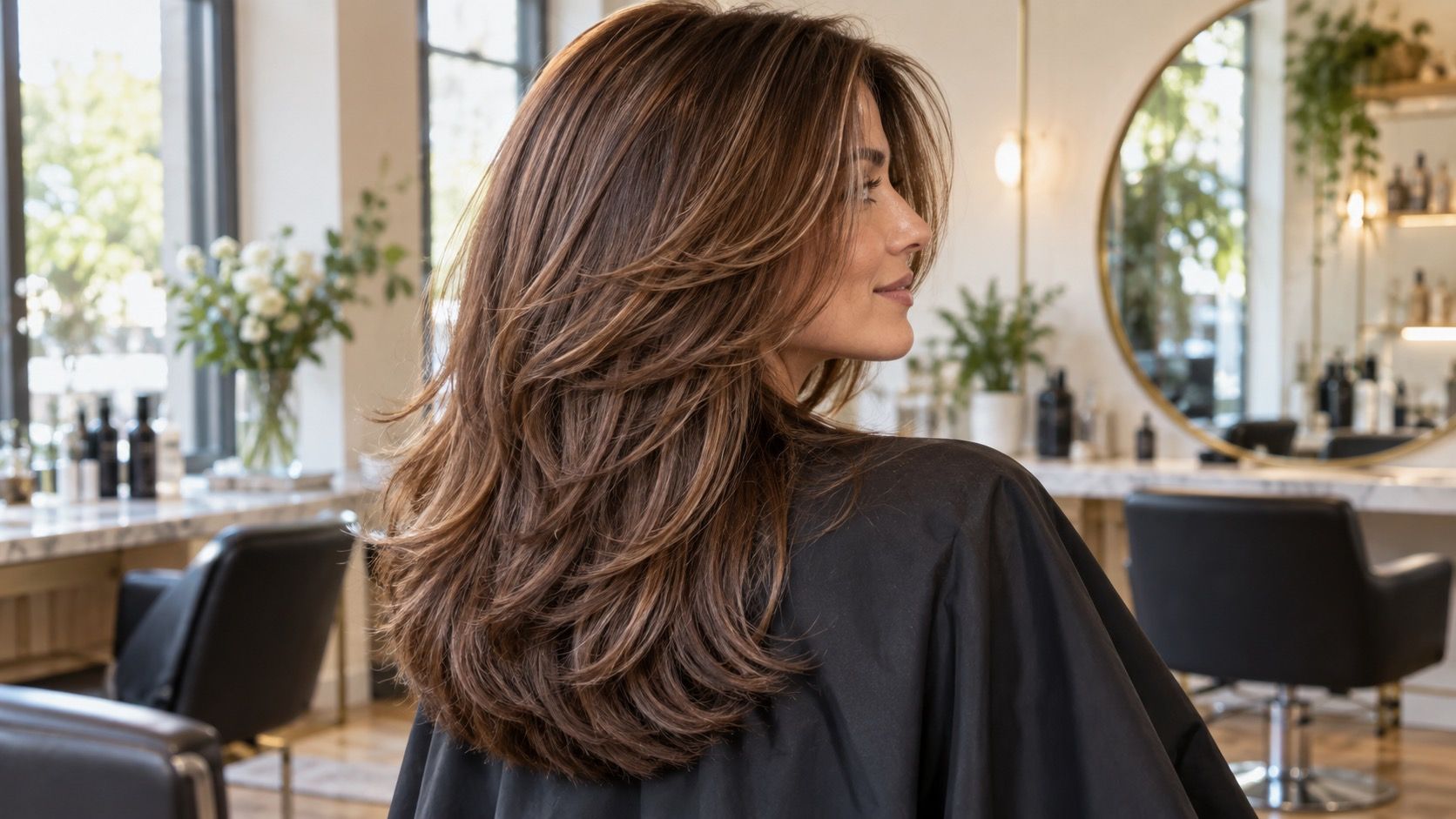
Long bobs and shoulder-length cuts often grow out gently because there is no single short area that immediately announces itself. A soft perimeter can relax over time, while a strong blunt line may need earlier refinement if you want it to stay precise. Look at the cut from the back and side; grow-out is a shape issue, not only a length issue.
Soft layers can make medium and long hair move without requiring frequent correction, provided they are blended and not cut too high. Very short layers tend to reveal themselves quickly as they grow. If your hair is fine or low density, keeping more weight at the bottom can also make the cut remain intentional for longer.
Use this part of the decision as a small at-home test rather than a rule. Notice what happens on a normal day, in the light you usually see, and after the hair has moved through your routine. A result that works only immediately after styling is less useful than one that still feels balanced later. Take a clear photo from the front and side if you are unsure; it can make the proportion, weight, or color relationship easier to discuss at the next appointment.
Know when bangs raise the upkeep
Fringe can be a lovely shortcut to changing your face frame, but it is rarely a no-maintenance option. It usually needs washing or wetting more often than the rest of the hair, may separate around the forehead, and grows into the eyes on its own schedule. A wispy curtain shape gives more flexibility than a blunt micro fringe.
Ask yourself what happens on a rushed morning, after a workout, and in damp weather. If you already use a clip or headband most days, a longer fringe that can blend into the sides may be the calmer choice. The right question is not whether bangs suit you; it is whether you want a small styling task every day.
Use this part of the decision as a small at-home test rather than a rule. Notice what happens on a normal day, in the light you usually see, and after the hair has moved through your routine. A result that works only immediately after styling is less useful than one that still feels balanced later. Take a clear photo from the front and side if you are unsure; it can make the proportion, weight, or color relationship easier to discuss at the next appointment.
Match the cut to your natural texture
Straight hair can show every uneven line, so a clean bob or one-length cut may feel easy as long as the ends are maintained. Wavy hair often benefits from a shape that lets the pattern settle instead of requiring it to be brushed smooth. Curly hair needs a plan for shrinkage and a length that works with its natural volume, not against it.
A style can be low effort on one texture and high effort on another. A layered shag may air-dry beautifully on a strong wave but need daily tong work on hair that is mostly straight. Bring a photo of your natural texture, not only your best styling day, so the recommendation starts from the hair you actually have.
Use this part of the decision as a small at-home test rather than a rule. Notice what happens on a normal day, in the light you usually see, and after the hair has moved through your routine. A result that works only immediately after styling is less useful than one that still feels balanced later. Take a clear photo from the front and side if you are unsure; it can make the proportion, weight, or color relationship easier to discuss at the next appointment.
Include color upkeep in the decision
Haircut maintenance and color upkeep are connected. A short cut may make a root line more visible because there is less length to distract from it, while a lived-in color can soften the regrowth period on many lengths. If you color your hair, discuss the haircut and color plan together instead of treating them as unrelated appointments.
Be especially cautious about a style that looks effortless only with bright fresh highlights, a high-gloss finish, or a daily blowout. Those choices are valid when you enjoy them, but they should not be sold as easy hairstyles to maintain. A durable look still has some character when the color is a few weeks old and the hair has air-dried.
Use this part of the decision as a small at-home test rather than a rule. Notice what happens on a normal day, in the light you usually see, and after the hair has moved through your routine. A result that works only immediately after styling is less useful than one that still feels balanced later. Take a clear photo from the front and side if you are unsure; it can make the proportion, weight, or color relationship easier to discuss at the next appointment.
Describe your routine clearly at the salon
Say how often you wash, whether you use heat, how quickly you need to be out the door, and how long you typically wait between trims. Mention your default parting and whether you sleep with your hair tied up. A stylist can use those details to decide whether a long bob, soft layers, or a simpler one-length shape will serve you best.
Before you leave, ask for the shortest version of the styling routine: which product, where it goes, and what to do if the cut looks odd after sleeping on it. Low maintenance haircuts should come with instructions you can remember without a mirror-side lecture. That is how a good salon result becomes a practical everyday hairstyle.
Use this part of the decision as a small at-home test rather than a rule. Notice what happens on a normal day, in the light you usually see, and after the hair has moved through your routine. A result that works only immediately after styling is less useful than one that still feels balanced later. Take a clear photo from the front and side if you are unsure; it can make the proportion, weight, or color relationship easier to discuss at the next appointment.