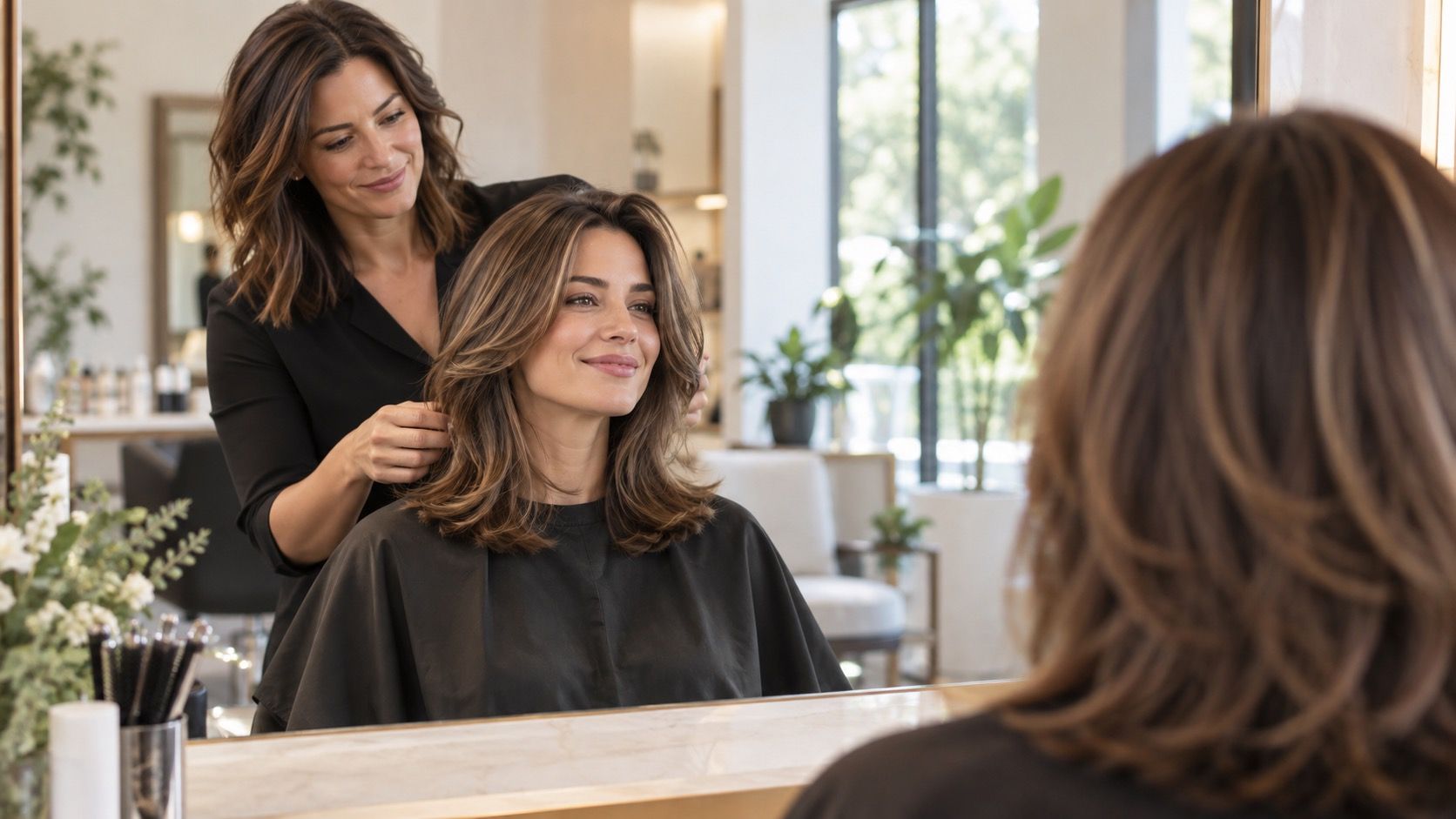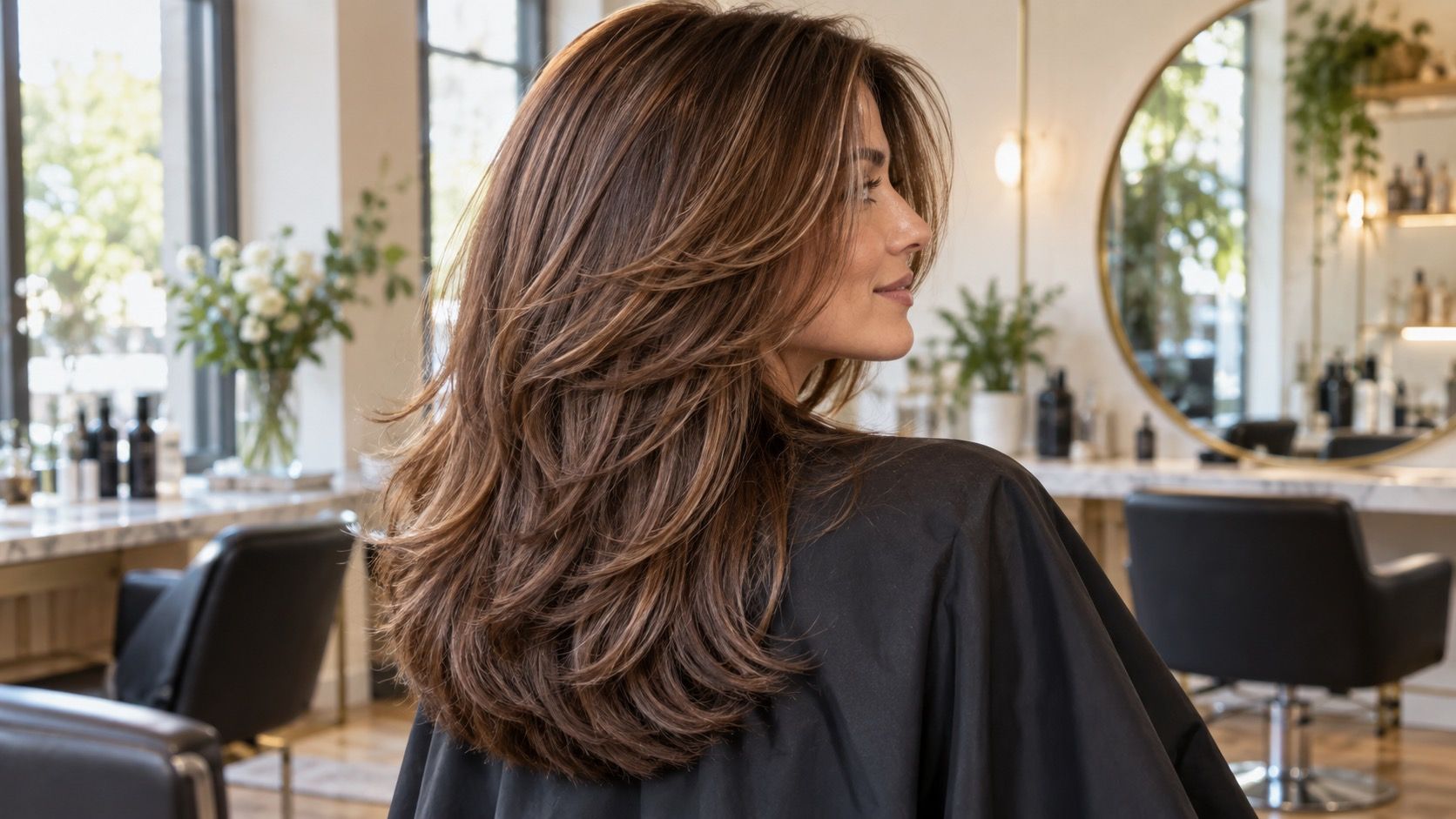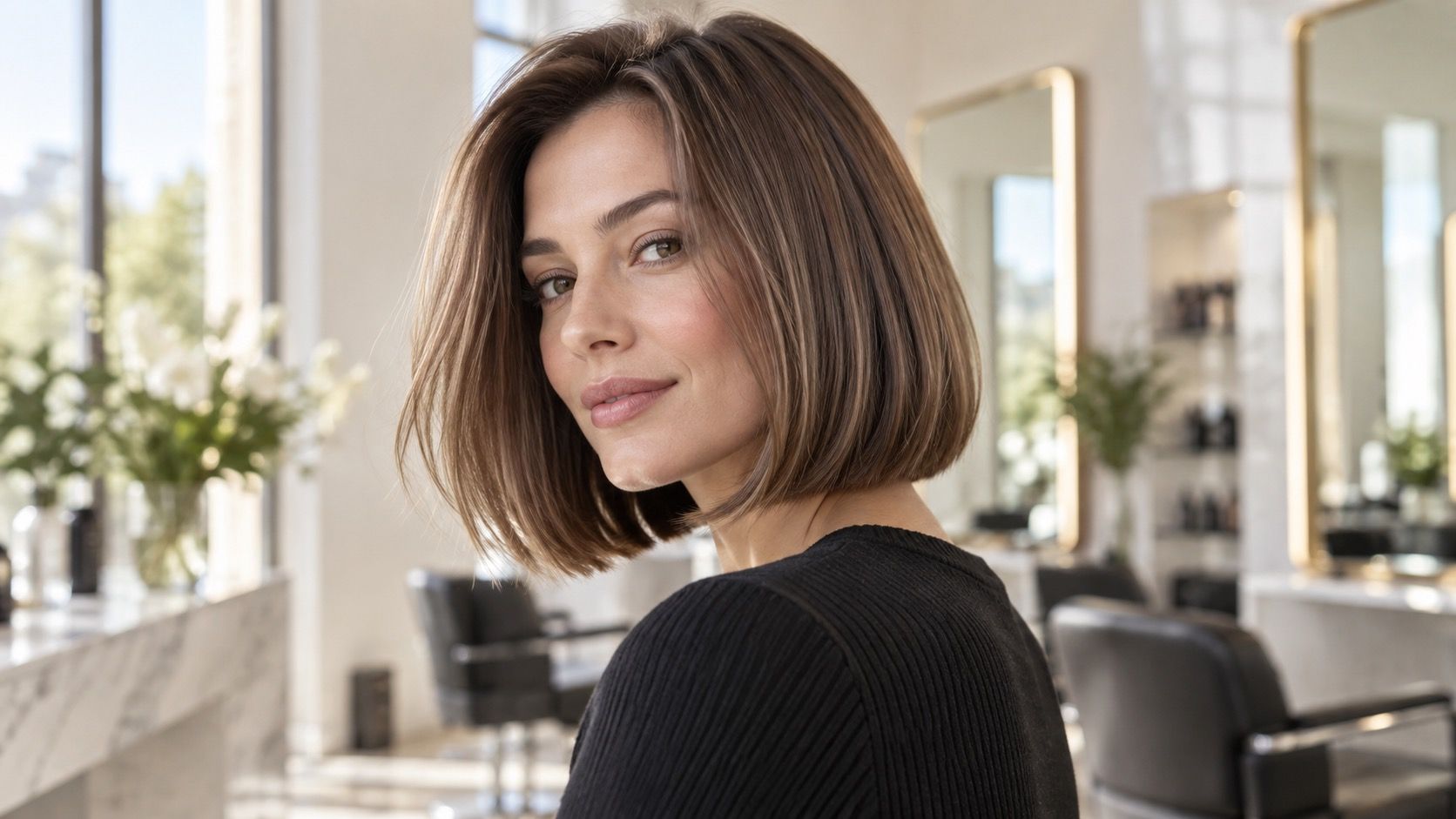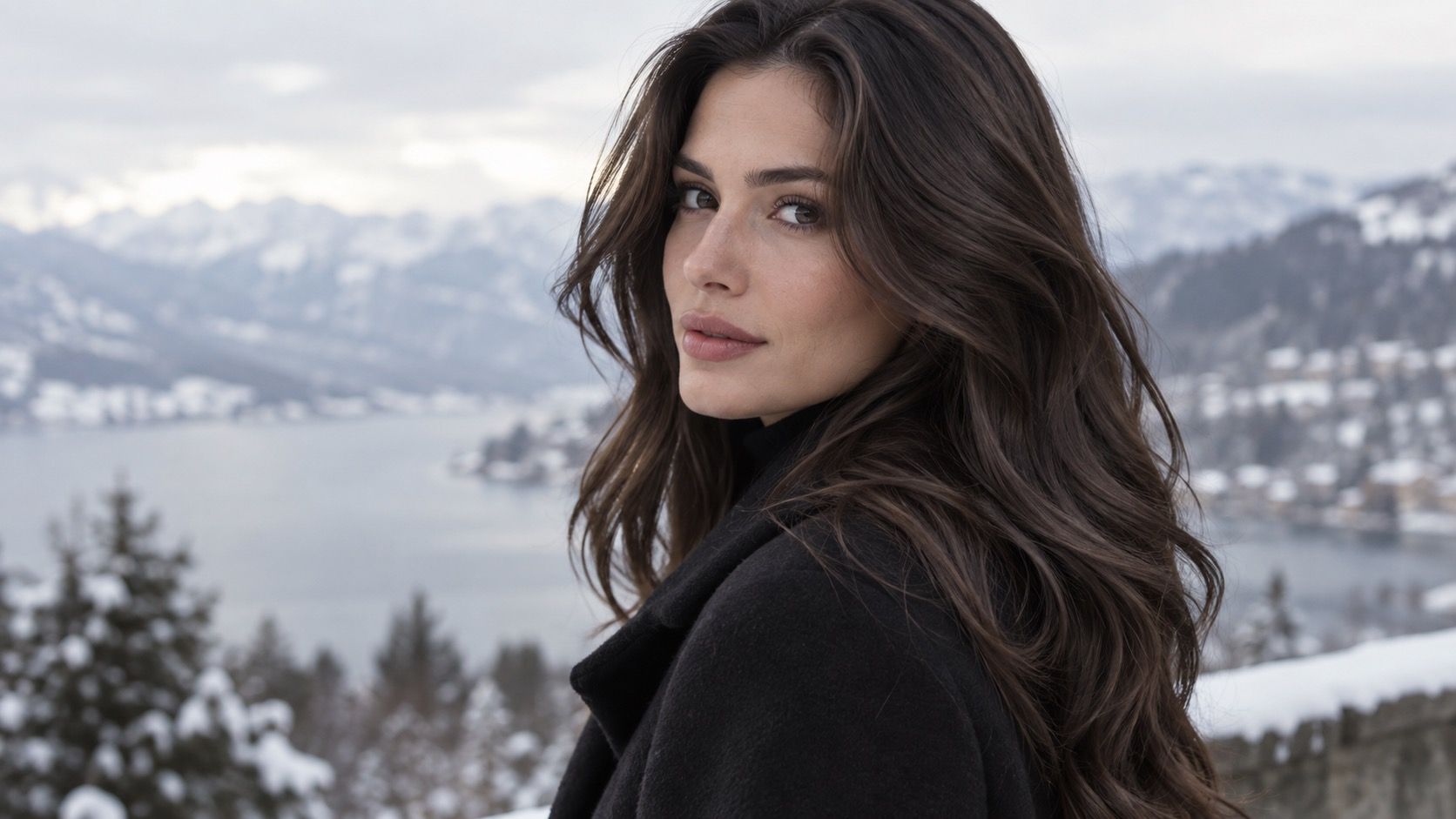
Cool Winter hair colors often suit people who enjoy a clearer, deeper frame around the face, but “deep” does not automatically mean dyeing everything black. The most convincing choice depends on natural brows, skin contrast, existing color history, and how much daily styling you want to do. A clean espresso brown can create as much presence as blue-black while being easier to grow out and less likely to overwhelm the hairline.
Understand clear contrast before choosing the darkest option
Contrast is the visual distance between hair, skin, eyes, and brows. Some faces stay defined beside a deep, cool color; others look better when the same shade is softened a level or two. Cool Winter is often used to describe a preference for clarity over muted beige or gold, but it is not a command to create maximum darkness. Look at photographs where the hair is in normal daylight and the makeup is minimal. If the face still appears present, the depth is doing useful work.
Compare dark brown, espresso, and blue-black honestly
The hairline is the quickest reality check. Near-black color that creates a hard helmet edge at the temples can be too dense, even if the lengths look glossy. A cool dark brown with a little variation at the root may keep the same confident outline while letting skin and brows breathe. This matters most when the natural root is medium brown or when grey hairs grow in around the front.
Clear does not mean shiny at every moment. Healthy-looking reflect helps deep color look intentional, but a saturated filter cannot substitute for condition. If the ends are porous or uneven, choose a plan that improves depth gradually and leaves room for trims, glosses, and realistic maintenance.
Cool dark brown is often the most flexible starting direction. It can add depth, reduce orange reflect, and make brows look more connected without making regrowth immediately obvious. Espresso brown goes one step deeper, usually with a neutral-cool result that reads rich in daylight and almost black indoors. It works well when you want drama but still want the option of subtle dimension later.
Blue-black has a more distinct effect. On naturally dark hair, a blue-violet reflect can add clarity and shine. On medium or light bases, the route may require repeated filling or darker permanent color, and removal later can be slow. It also changes the contrast at the face more radically than a mood board suggests. Try a virtual preview for direction, but ask a colorist what your current hair can hold before treating blue-black as a simple one-step change.
| Direction | Visual effect | Maintenance consideration |
|---|---|---|
| Cool dark brown | Defined but relatively natural | Warmth may appear as color fades |
| Espresso brown | Deep, polished contrast with some softness | Needs gloss for even shine through the lengths |
| Blue-black | Strongest cool statement and clear outline | Harder to lighten later and roots can be noticeable |
Use blonde and highlights with a deliberate contrast level
Cool Winter hair does not have to be dark. A clear cool blonde, pearl highlight, or high-contrast brunette-blonde combination can work when the brightness is clean rather than yellow. The key is deciding whether you want a bright overall blonde or dark hair with focused light pieces. Trying to do both at once can leave the result stripey: a dark root, a pale face frame, and random warm bands through the middle.
For a dark base, fine cool highlights can add movement without dissolving the depth. Placement matters. A few controlled pieces around the face and through the crown can look sharp and modern; too many pale sections turn espresso hair into a patchwork. Ask for a reference that shows the hair after several weeks, not only freshly curled under salon lighting.
For blonde hair, keep the root decision separate from the length decision. A cool root shadow may provide the contrast you like while allowing a clearer blonde through the ends. If your natural root is very light, forcing a dark shadow only for seasonal theory can look artificial. The goal is a coherent hairline, not a costume version of contrast.
Prevent warmth from taking over without over-toning
Deep cool shades frequently reveal warmth as they fade, especially in sun-exposed lengths. Red-brown undertones may show through a dark brunette; yellow can surface in lightened pieces. The instinct is to apply a stronger ash product every week, but too much pigment can make porous areas look inky, grey, or uneven. The better approach is to identify where the warmth is appearing and refresh only as needed.
Use color-safe shampoo, protect the hair from repeated high heat, and ask whether a gloss is a better answer than another permanent layer. A gloss can restore shine and adjust tone with less commitment, particularly when the goal is to keep espresso neutral-cool rather than make it visibly blue. If water minerals are a problem, a clarifying step before toning may matter more than increasing pigment.
Photographs taken in daylight make maintenance decisions easier. Bathroom lighting can turn a neutral brown orange or make a blue-black look flat. Compare a simple daylight photo to your salon reference before booking a correction. You may find that the color needs shine rather than more darkness.
Choose a color that fits daily styling and future changes
The strongest Cool Winter hair color is not always the best one for a rushed morning. Deep solid shades make flyaways, dry ends, and visible root growth more noticeable than blended brunettes do. Bright cool highlights can need more heat styling to show their placement. If you usually air-dry, wear a ponytail, or go several months between appointments, tell the colorist before choosing the most precise version of the look.
Think about what you may want next year. Going from medium brown to espresso is usually easier to revise than going from blue-black to a soft beige blonde. That does not rule out a dark change; it simply makes the commitment visible. A strand test, careful consultation, and an honest color history give more useful information than a perfect inspiration photo.
A wearable result has enough depth to feel clear, enough shine to show its dimension, and enough flexibility that a little regrowth does not look like an emergency. When those parts are in balance, cool winter hair colors can look striking without asking you to maintain an impossibly exact shade.